


Pennzoil vs Valvoline: Which Oil Lasts Longer and Protects Better?
If you’ve ever stood in the Walmart auto aisle, staring at two shiny jugs of oil and wondering if you’re about to make a smart choice or just buy the one with the cooler label… yeah, you’re not alone.
Because pennzoil vs valvoline is one of those car questions that sounds simple, but actually isn’t.
One promises cleaner engines. The other has a very loyal following and a reputation for solid protection. Both are everywhere in the US. Both meet modern standards. Both are used by people who swear their engine “runs smoother” after switching. And honestly? Some of that is real, some of it is placebo, and some of it comes down to whether you’re using the right oil for your engine, not just the “best brand.”
So let’s settle it properly.
This guide breaks down oil life, engine protection, sludge control, cold starts, high-mileage performance, value for money, and which one makes more sense for your actual driving habits in the US.
Short version?
Pennzoil usually wins for cleanliness and longer-feeling performance. Valvoline usually wins for consistency, availability, and no-nonsense protection.
But that’s not the whole story. Not even close.
Quick Answer: Pennzoil or Valvoline?
If you want the fast answer:
- Pennzoil is often the better pick if you care most about engine cleanliness, deposit control, and long synthetic intervals
- Valvoline is often the better pick if you want strong wear protection, dependable everyday use, and excellent high-mileage options
- For most modern US vehicles, either one is a safe choice if it matches your owner’s manual viscosity and certification requirements
- If you’re asking is pennzoil better than valvoline, the honest answer is: sometimes, yes — especially for cleanliness and long-run synthetic use
- If you’re asking is valvoline better than pennzoil, that can also be true — especially for older engines, high-mileage cars, or drivers who change oil a little earlier and just want reliable protection
That’s why this comparison matters.
Because this isn’t just brand-vs-brand. It’s your engine, your climate, your mileage, your maintenance habits.
And those things change the answer a lot.
Why This Comparison Matters More Than People Think
Motor oil isn’t just “slippery stuff.”
It’s doing a bunch of jobs at once:
- Lubricating moving engine parts
- Reducing friction and wear
- Carrying away heat
- Suspending dirt and contaminants
- Preventing sludge and deposits
- Protecting during cold starts
- Holding up under heat, load, and time
That’s a lot.
And once oil starts breaking down, the engine doesn’t instantly explode like a movie car. It just starts wearing a little faster, running a little dirtier, and aging a little worse over time. Which is actually worse, because you usually don’t notice until it’s expensive. Consumer Reports notes that oil loses protective ability over time and that synthetic oils generally last longer and resist breakdown better than conventional oil. (Consumer Reports)
So yeah, pennzoil vs valvoline oil is a legit question.
Pennzoil vs Valvoline at a Glance
Here’s the simple side-by-side.
Pennzoil: Best Known For
- Strong engine cleanliness reputation
- Excellent synthetic formulas
- Good resistance to sludge and deposits
- Long-drain appeal
- Popular among drivers who want a “cleaner-running” engine
Valvoline: Best Known For
- Trusted wear protection
- Great high-mileage options
- Easy-to-find retail and service presence in the US
- Strong reputation among DIYers and daily drivers
- Good all-around performance without drama
So if you’re wondering is valvoline or pennzoil better, the answer starts with this:
Pennzoil leans cleaner. Valvoline leans tougher.
That’s a simplification, sure. But it’s a useful one.
Which Oil Lasts Longer?
This is the big question.
And the answer depends on what you mean by “lasts longer.”
Because that can mean two different things:
- How long the oil can stay in the engine before change
- How long the oil keeps protecting well during that interval
Those are related. But not identical.
Winner for Long Intervals: Slight Edge to Pennzoil
Pennzoil markets its full synthetic oils as formulated for longer drain intervals and states a 10,000-mile protection guarantee on certain products when used according to conditions and warranty terms. Pennzoil also says its full synthetic products help resist oil breakdown and sludge formation. (pennzoil.com)
That matters.
Because oils that resist oxidation, sludge, and viscosity breakdown usually feel “fresher” longer, especially if you drive:
- lots of highway miles
- long commutes
- mostly steady-speed trips
- newer engines in good condition
And that’s where Pennzoil tends to shine.
But Here’s the Catch
Just because a bottle says 10,000 miles doesn’t mean you should go 10,000 miles.
Real talk: a lot of US drivers fall into what automakers call “severe service” without realizing it.
That includes:
- short trips under 10–15 minutes
- stop-and-go city traffic
- extreme summer heat
- winter cold starts
- towing
- rideshare or delivery driving
- long idling
- dusty roads
That’s… a lot of America, honestly.
And in those cases, even a great oil gets beaten up faster. Consumer Reports and AAA-style maintenance guidance both emphasize following the owner’s manual and adjusting for real-world driving conditions rather than chasing the longest possible interval. (Consumer Reports)
My Straight Answer
If both are full synthetic and both meet your car’s required spec:
- Pennzoil usually has the edge for “how long it stays happy”
- Valvoline is right there, but Pennzoil tends to get the nod for long-drain confidence
So on pure “lasting longer,” Pennzoil wins — slightly.
Not by a mile. But enough to matter.
Which Oil Protects Better?
Now this is where things get interesting.
Because “protection” gets thrown around a lot in oil marketing, and frankly, almost every bottle acts like it’s made from liquid titanium blessed by race engineers.
But protection really comes down to stuff like:
- wear control
- film strength
- shear stability
- thermal stability
- additive package quality
- detergent and dispersant balance
- cold-start flow
And if you’re using a modern oil that meets current standards, you’re already in decent shape.
The Standards Matter More Than the Logo
For US drivers, what matters first is whether the oil meets:
- API SP
- ILSAC GF-6
- sometimes dexos1 Gen 3 (for many GM vehicles)
Those specs are designed to address things like wear, sludge, low-speed pre-ignition protection, timing chain wear, and modern turbo engine demands. If your oil meets the required spec, that’s your baseline protection floor — and it’s not a low floor. (Consumer Reports)
That’s why a lot of mechanics online basically say:
“Pick a quality full synthetic that meets spec and change it on time.”
And honestly… that’s not lazy advice. That’s good advice.
So Who Wins on Protection?
Pennzoil Strengths
Pennzoil’s synthetic line is heavily positioned around:
- cleaner pistons
- sludge resistance
- deposit control
- high-temp stability
- wear protection
Pennzoil also specifically claims “enhanced wear protection in high and low temperatures” and resistance to oil breakdown in severe environments. (pennzoil.com)
Valvoline Strengths
Valvoline, especially in its synthetic and high-mileage lines, is generally praised for:
- consistent wear protection
- dependable additive chemistry
- strong real-world daily-driver performance
- good compatibility with aging engines
And this is where Valvoline often gets love from people who keep cars a long time.
Not because it’s magical. Because it’s predictably solid.
Protection Winner: Basically a Tie — With Context
If you’re driving a newer turbocharged daily driver, I’d lean Pennzoil.
If you’re driving a higher-mileage commuter, older SUV, or a car with some age and wear, I’d lean Valvoline.
So if you want the least annoying but most honest answer:
Pennzoil protects slightly better in cleaner, modern-engine conditions. Valvoline protects slightly better in older, worn, real-life-beater conditions.
That’s why this isn’t a one-size-fits-all thing.
Pennzoil vs Valvoline for Engine Cleanliness
This is probably Pennzoil’s biggest strength.
And it’s not just marketing fluff.
Pennzoil has built a lot of its brand identity around cleanliness, sludge prevention, and deposit control, especially in its synthetic lines. Their product pages repeatedly emphasize sludge prevention and cleaner engine internals. (pennzoil.com)
Why does that matter?
Because over time, dirty oil leaves behind:
- varnish
- sludge
- carbon deposits
- sticky ring deposits
- blocked passages
And that stuff slowly makes engines less happy.
Not dramatic. Just bad.
Example
Say you have:
- a 2018 Toyota Camry
- mostly highway commuting
- 7,500-mile oil changes
- full synthetic
- regular maintenance
That engine will probably love either oil.
But if you’re trying to keep the inside of that engine as clean as possible for 150,000+ miles, Pennzoil probably gets the edge.
Cleanliness Winner: Pennzoil
Pretty clearly.
If your question is pennzoil or valvoline for keeping an engine cleaner, I’d take Pennzoil.
Pennzoil vs Valvoline for High-Mileage Cars
Now we’re in Valvoline territory.
And yeah, this is where a lot of people switch brands.
Once your car hits 75,000 to 100,000 miles, your needs change a bit.
Not always dramatically. But enough.
Older engines often deal with:
- minor seal hardening
- small leaks or seepage
- increased oil consumption
- more deposits
- more wear at startup
And this is where high-mileage formulas matter more than people think.
Pennzoil High Mileage
Pennzoil’s high-mileage synthetic line is designed for engines with 75,000+ miles and includes claims around reduced oil consumption and seal swell technology. (pennzoil.com)
That’s good stuff.
Valvoline High Mileage
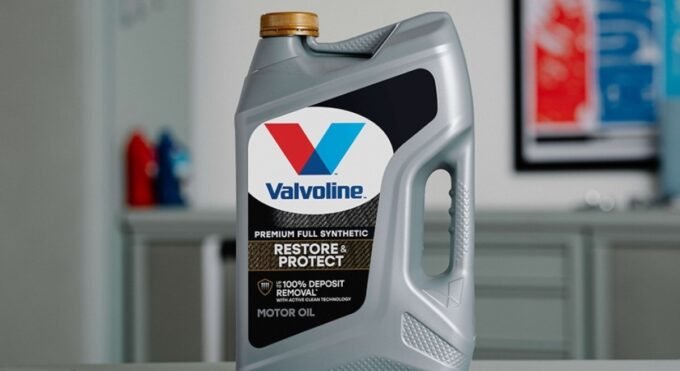
Valvoline has a very strong reputation in the US high-mileage segment, and a lot of drivers specifically buy it once their engine starts getting a little “old but still fine.”
You know the type.
- 2012 Honda Accord
- 2011 Ford Escape
- 2014 Chevy Malibu
- 2008 Toyota Avalon with 178,000 miles and somehow still zero dashboard lights
That kind of car.
High-Mileage Winner: Slight Edge to Valvoline
Pennzoil’s high-mileage oils are good.
But if you ask me which brand more drivers trust when their engine has some miles, a little seepage, and a “please don’t start anything expensive this month” vibe?
Valvoline.
So if you’re asking is valvoline better than pennzoil for older cars, this is one of the clearest cases where it might be.
Which Oil Performs Better in Extreme Temperatures?
US drivers deal with all kinds of nonsense.
- Arizona heat
- Minnesota cold
- Texas stop-and-go summers
- Colorado mountain starts
- Florida humidity and traffic that somehow feels personal
So yeah, temperature performance matters.
Cold Starts
Synthetic oil generally flows better in cold weather than conventional oil, which helps reduce startup wear — one of the most wear-intensive moments for an engine. Consumer Reports specifically notes synthetic oil performs better in extreme hot and cold conditions. (Consumer Reports)
Between these two?
- Pennzoil tends to get slightly more love for cold-start smoothness
- Valvoline is still very good, especially in the correct viscosity grade
High Heat and Heavy Load
Both brands perform well in:
- summer commuting
- highway driving
- long-distance road trips
- moderate towing (if spec-approved)
- normal turbo use
But if you’re asking which one I’d trust in high-heat, high-stress synthetic use, I’d give a small edge to Pennzoil.
Again, not a huge gap.
But a real one.
Temperature Performance Winner: Pennzoil
Especially if you live somewhere with:
- freezing winters
- very hot summers
- lots of highway use
- turbocharged engines
Pennzoil vs Valvoline for Turbo Engines
This one matters a lot more than it used to.
Because now everybody has a turbo.
Your compact SUV has one. Your sedan has one. Your crossover definitely has one. Your neighbor’s lawnmower probably has one.
And turbo engines run hotter and harder on oil.
That means you want oil that’s strong against:
- heat
- oxidation
- deposits
- LSPI (low-speed pre-ignition)
- timing chain wear
What Actually Matters Here
Not the logo.
What matters is:
- correct viscosity (like 0W-20, 5W-30, etc.)
- correct certification
- synthetic quality
- change interval discipline
That said, Pennzoil’s synthetic line has a stronger “modern engine / cleanliness / high-temp stability” reputation, and that tends to make it the favorite for turbocharged daily drivers.
Turbo Winner: Pennzoil
If you drive something like:
- Ford EcoBoost
- Chevy 1.5T or 2.0T
- Honda 1.5T
- Hyundai/Kia turbo
- VW/Audi turbo (with the correct spec, obviously)
I’d lean Pennzoil — as long as the bottle matches your exact required approval.
And yes, that approval part matters a lot. More than the brand war.
What Reddit and Real Drivers Usually Say
This part is messy. Which makes it useful.
When you look at Reddit threads about pennzoil vs valvoline, the vibe is surprisingly consistent:
- most people say either one is fine
- many drivers say spec and interval matter more than brand
- Pennzoil often gets praise for being “clean” or “premium-feeling”
- Valvoline gets praise for being “safe,” “dependable,” and “totally fine for daily use”
- a lot of DIYers just buy whichever one is on sale at Walmart or AutoZone
That sounds almost too simple, but it’s actually smart.
Because once you’re comparing two quality modern synthetics, you’re often splitting hairs unless your use case is specific. Reddit discussions across mechanic and enthusiast communities mostly reflect that consensus: both are reputable, and matching the right spec plus changing on time matters more than internet brand tribalism. (Reddit)
And honestly? That tracks.
Price and Value: Which One Is Better for the Money?
This matters. A lot.
Because if one oil is 15% better on paper but 40% more expensive every single change, most people won’t care.
And they shouldn’t.
Typical US Buying Pattern
Most people buy oil from:
- Walmart
- AutoZone
- O’Reilly Auto Parts
- Advance Auto Parts
- Amazon
- Costco/Sam’s Club (sometimes)
And usually what happens is this:
You walk in for one thing.
You see a 5-quart jug on sale.
You become a “brand loyalist” for six months.
That’s just life.
Value Winner Depends on Sale Pricing
In the US, both Pennzoil and Valvoline are usually priced close enough that promo pricing often decides the winner.
So if both meet your car’s required spec:
- Buy the one on sale
- Pair it with a decent filter
- Change it on time
That will beat “premium oil with lazy maintenance” every single time.
Best Value Answer
If equal price:
Pennzoil gives slightly better “premium synthetic” value.
If Valvoline is cheaper by a noticeable amount:
Valvoline becomes the smarter buy.
Simple.
Pennzoil vs Valvoline: Best Choice by Driver Type
This is probably the most useful section in the whole article.
Because most people don’t need a chemistry lecture. They need someone to just tell them what makes sense.
So here you go.
Choose Pennzoil If You:
- Drive a newer car
- Use full synthetic
- Want longer-feeling oil life
- Care a lot about clean internals
- Drive a turbocharged engine
- Do a lot of highway miles
- Want the “slightly more premium” feel
Choose Valvoline If You:
- Drive an older or high-mileage vehicle
- Prefer changing oil a bit earlier anyway
- Want dependable protection without overthinking it
- Buy whatever is easy to find locally
- Need a good oil for a daily commuter
- Want a trusted choice for engines with some wear
Choose Either If You:
- Follow your owner’s manual
- Use the correct viscosity
- Match required specs
- Change your oil on time
- Don’t race your Corolla
That last one is free advice.
So, Is Pennzoil Better Than Valvoline?
Here’s the honest answer.
Yes — for some drivers, Pennzoil is better than Valvoline.
Especially if you care most about:
- engine cleanliness
- synthetic longevity
- high-temp stability
- modern engine performance
But…
No — not universally.
Because Valvoline can absolutely be the better choice if you care more about:
- high-mileage use
- practical daily-driver reliability
- easy availability
- strong protection without pushing long intervals
So if you’re asking is pennzoil better than valvoline, the cleanest answer is:
Pennzoil is slightly better on performance and oil life. Valvoline is slightly better on practicality and aging-engine confidence.
That’s the real answer.
Not the fanboy answer.
Final Verdict: Which Oil Should You Buy?
Alright. Time to stop dancing around it.
If both bottles match your vehicle’s required specs and viscosity, here’s my pick:
Best Overall Winner: Pennzoil
Why?
Because in the pennzoil vs valvoline debate, Pennzoil has a small but real edge in:
- long synthetic performance
- deposit control
- cleanliness
- cold and heat resilience
- modern-engine confidence
It just tends to feel like the slightly more “premium” choice.
Best Practical Alternative: Valvoline
Valvoline is still a very smart buy.
And for a lot of US drivers, especially with:
- older engines
- 75,000+ miles
- normal commuting
- 5,000-mile-ish change habits
…it might actually be the more sensible option.
My Real-World Recommendation
If you drive a newer vehicle and plan to keep it a long time:
Go Pennzoil.
If you drive an older daily and want reliable, no-drama protection:
Go Valvoline.
If one is on sale and both meet spec:
Buy the sale. Seriously.
Because the thing that kills engines most often isn’t choosing Pennzoil over Valvoline.
It’s neglect.
That’s the boring truth. And also the expensive one.
FAQs
Is Valvoline or Pennzoil better?
If you want a short answer, Pennzoil is slightly better for long-lasting synthetic performance and engine cleanliness, while Valvoline is slightly better for older engines and everyday dependability. Most drivers will do well with either, as long as it matches the required spec.
Is Pennzoil better than Valvoline for synthetic oil?
Usually, yes — especially in full synthetic form. Pennzoil tends to have a stronger reputation for deposit control, sludge resistance, and longer-feeling oil performance. That said, Valvoline synthetic is still very good.
Is Valvoline better than Pennzoil for high-mileage cars?
In a lot of cases, yes. Valvoline is often the more trusted choice for older engines, minor seepage, and routine commuter use, even though Pennzoil also has solid high-mileage formulas.
Pennzoil or Valvoline for a turbo engine?
I’d lean Pennzoil, assuming it matches the exact required viscosity and approval for your engine. Turbo engines are harder on oil, and Pennzoil tends to be a strong fit for heat and deposit control.
Does Pennzoil last longer than Valvoline?
Slightly, in many cases. Pennzoil generally has the edge for long synthetic intervals and breakdown resistance, especially in steady highway driving. But your real-world interval still depends heavily on how and where you drive.
Can I switch from Valvoline to Pennzoil or vice versa?
Yes, usually you can switch between them without a problem as long as you use the correct viscosity and required certifications for your vehicle. There’s no need to “stick forever” with one brand if the new oil meets the proper standards.
Conclusion
So, pennzoil vs valvoline — which oil lasts longer and protects better?
If we’re being real, not dramatic, and not weirdly loyal to a bottle of engine oil:
- Pennzoil lasts a bit longer
- Pennzoil usually keeps engines a bit cleaner
- Valvoline is extremely solid and often makes more sense for older or high-mileage cars
- Both are good enough that your maintenance habits matter more than the logo
That’s really the heart of it.
If you want the slightly stronger all-around pick, Pennzoil wins.
If you want the “I just need a good oil that won’t let me down” option, Valvoline is still a great buy.
And honestly, if you use the right viscosity, the right spec, and change it when you should, your engine will probably be a lot happier than the average neglected one rolling around the US right now.
Which, frankly, is a pretty low bar.
If you want, I can also turn this into a more affiliate-style blog version, a commercial-intent SEO article, or a SurferSEO/Rank Math-ready format with keyword placement mapped section by section.














Leave a comment