

Valvoline Review: How it compares in performance and durability?
 savingsarticle.com26 March 202612 Mins read28
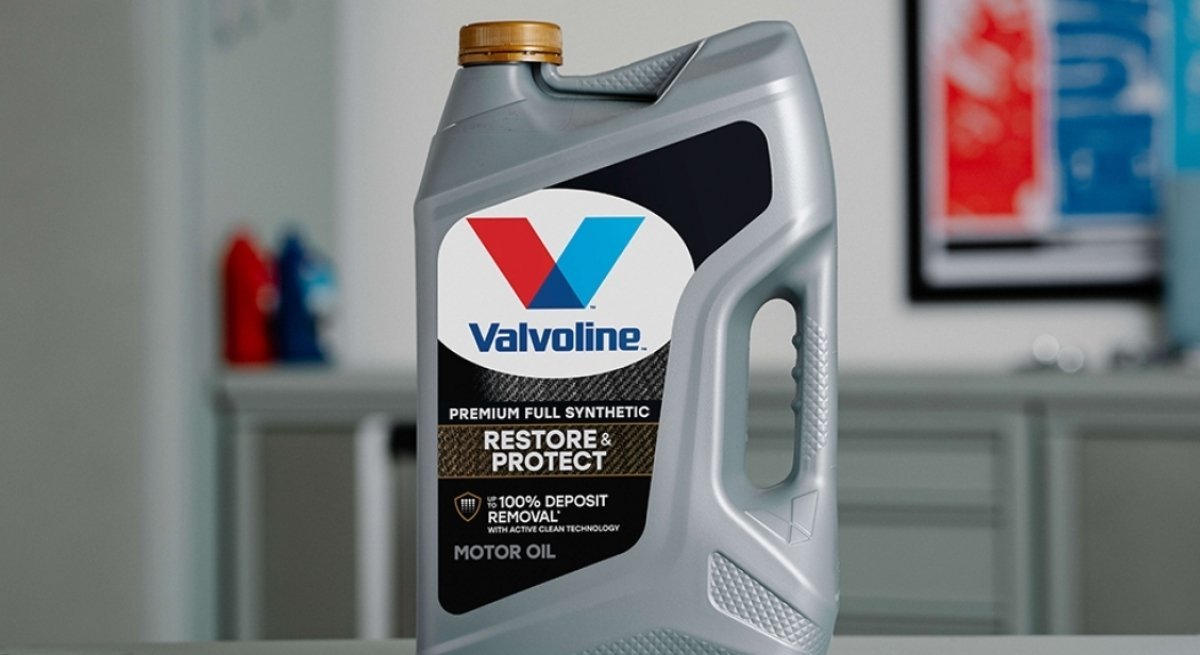
If you’ve ever stood in the oil aisle staring at Valvoline, Mobil 1, Pennzoil, and Castrol like they all personally offended you, you’re not alone.
Because honestly, motor oil shopping should not feel this complicated.
And yet here we are.
This valvoline review is for people who actually want to know whether Valvoline products hold up in the real world — not just on a flashy bottle or in a 6-second ad. We’re going to break down how Valvoline performs, how durable it really is, whether the brand is worth trusting for oil changes, fuel system care, batteries, and general maintenance stuff, and where it stands for U.S. drivers who care about reliability more than marketing.
Short answer?
Valvoline is legit.
But whether it’s the best option for you depends on your engine, your driving habits, and what you’re actually buying from the brand.
That last part matters a lot.
Because Valvoline the oil brand and Valvoline Instant Oil Change the service chain are related in your mind, sure, but they’re not the same buying decision.
So let’s get into it.
Valvoline at a Glance
Valvoline is one of the oldest motor oil brands in the U.S., and that history does count for something. Not everything. But something.
It’s been around since the 1800s, and over time it built a reputation around:
- Engine oils for everyday cars and high-mileage vehicles
- Full synthetic and synthetic blend oils
- Quick oil change service centers
- Additives like fuel injector cleaner
- Vehicle maintenance products including batteries and fluids
If you’ve driven in the U.S. for any length of time, you’ve probably seen a Valvoline Instant Oil Change sign at least 47 times.
That’s part of why people search valvoline review in the first place — they want to know if it’s just a familiar brand, or actually a good one.
And real talk, familiarity can trick people. A brand being everywhere doesn’t automatically mean it’s better.
But in Valvoline’s case, the performance side is stronger than a lot of people expect.
Is Valvoline Oil Good?
The short answer
Yes. In most cases, Valvoline oil is very good, especially if you choose the right product line for your vehicle.
That’s the part people skip.
They’ll buy the cheapest bottle on sale, pour it into a turbocharged engine that runs hot, then blame the brand when things feel rough at 6,000 miles.
That’s not really fair.
What Valvoline oil is known for
Valvoline oil tends to perform well in a few key areas:
- Wear protection
- Sludge control
- Heat resistance
- Cold-start flow
- Seal conditioning in older engines
That means if you’ve got a commuter car, a high-mileage SUV, a pickup, or even a performance sedan, there’s usually a Valvoline formula that makes sense.
Popular options include:
- Valvoline Advanced Full Synthetic
- Valvoline High Mileage
- Valvoline Daily Protection
- Valvoline Restore & Protect
- Valvoline Extended Protection
And here’s what I mean — Valvoline isn’t always the “flashiest” oil brand online, but it’s often one of the safer, more consistent picks for normal U.S. drivers who just want their engine to stay healthy and not do anything weird at 120,000 miles.
That matters more than people admit.
Valvoline Review for Performance
Let’s talk about actual performance.
Because “good oil” sounds nice, but what does that even mean once it’s inside your engine?
1. Engine smoothness
A lot of drivers notice smoother idle and quieter engine operation after switching to Valvoline full synthetic oils, especially from lower-end conventional oils or neglected service intervals.
You probably won’t feel like you added 40 horsepower.
Let’s not get carried away.
But you might notice:
- Less startup rattle
- Better throttle smoothness
- More consistent engine feel over time
- Less “tired” performance between oil changes
That’s especially true in:
- High-mileage Hondas and Toyotas
- Ford EcoBoost engines
- GM V8 trucks
- Turbocharged 4-cylinder daily drivers
2. Heat resistance under stress
This is where Valvoline usually does pretty well.
If you live in a hotter part of the U.S. — say Texas, Arizona, Nevada, inland California, or Florida traffic hell — oil breakdown matters more than people think.
Stop-and-go driving cooks oil. So do long commutes, towing, and short trips where your engine never fully settles into ideal operating behavior.
Valvoline’s synthetic lines generally hold viscosity well enough for demanding daily use, which helps maintain film strength and reduces the chance of thinning out too quickly.
Fancy way of saying:
It tends to hold up when your engine is working hard.
3. Cold-start performance
This one matters a lot in northern U.S. states.
If you’re starting your car in Michigan, Minnesota, Wisconsin, Colorado, or upstate New York, poor cold-flow oil can make your engine sound like it’s negotiating with death for the first five seconds.
Valvoline full synthetic oils usually do a solid job here.
And honestly, this is where spending a little more on better oil pays off. Cold starts are one of the biggest wear points in engine life.
So if you’re asking whether Valvoline performs well day-to-day, the answer is mostly yes — especially if you’re using one of the synthetic lines and changing it on time.
Valvoline Review for Durability
Now let’s get into the thing people really care about.
Not “Does it feel smoother?”
But:
Will this stuff still protect my engine after thousands of miles?
That’s the durability question.
And frankly, Valvoline’s reputation here is one of its stronger selling points.
Oil longevity
Valvoline full synthetic oils generally perform best in the 5,000 to 7,500-mile range for everyday use, and in some vehicles they can go longer if your manufacturer allows it and your driving conditions are mild.
But — and this is a big but — too many people treat “extended performance” oil like a dare.
Don’t.
If you do any of this regularly:
- Short trips under 10 miles
- Heavy traffic commuting
- Towing
- Extreme temperatures
- Turbocharged driving
- Older engine use
then your oil life is probably shorter than the bottle fantasy.
Valvoline tends to stay stable well through normal service intervals, which is exactly what you want from a durable oil.
Sludge and deposit control
This is one of the more underrated parts of any valvoline review.
Because engines don’t usually die in some dramatic movie scene.
They die slowly. Quietly. Through buildup, heat, neglected oil, sticky rings, dirty passages, and all the boring ugly stuff nobody posts about.
Valvoline’s synthetic and high-mileage formulas usually do a good job controlling:
- Sludge
- Varnish
- Carbon deposits
- Oxidation over time
That’s especially important if:
- You bought a used car with questionable maintenance history
- Your engine already has over 100,000 miles
- You want to keep the car another 5–8 years
And if that’s you, honestly, Valvoline starts to make even more sense.
Valvoline Oil Review: Which Product Line Is Best?
This is where things get practical.
Because “Valvoline” by itself doesn’t tell you much. The product line does.
Valvoline Advanced Full Synthetic
Best for: Most modern daily drivers
This is probably the easiest recommendation for the average U.S. driver.
It’s a strong all-around choice for:
Sedans
- Crossovers
- SUVs
- Light trucks
- Turbo engines
Why people like it:
- Good wear protection
- Strong temperature stability
- Smooth cold starts
- Usually priced fairly compared to premium rivals
Best if you want: A safe, dependable synthetic without overthinking it.
Valvoline High Mileage
Best for: Cars with 75,000+ miles
If your car is older, burns a little oil, or has seals that are starting to get “creative,” this one makes more sense.
Why people like it:
- Seal conditioners may help reduce minor leaks
- Good for aging engines
- Helps maintain smoother operation in worn engines
This is a very “American driveway” kind of oil — think a 2011 Camry, 2014 Escape, 2012 Silverado, 2010 Accord. Still running. Still useful. Slightly dramatic on cold mornings.
Valvoline Restore & Protect
Best for: Dirty engines or maintenance catch-up
This line has gotten attention because it targets deposit cleanup and internal engine cleanliness more aggressively than standard oils.
If you bought a used car and you know the previous owner treated maintenance like a rumor, this could be worth looking at.
Valvoline Daily Protection
Best for: Budget-conscious older vehicles
It’s fine for older vehicles that still call for conventional oil, but for most U.S. drivers in 2026,
Valvoline Restore & Protect
Best for: Dirty engines or maintenance catch-up
This line has gotten attention because it targets deposit cleanup and internal engine cleanliness more aggressively than standard oils.
If you bought a used car and you know the previous owner treated maintenance like a rumor, this could be worth looking at.
Valvoline Daily Protection
Best for: Budget-conscious older vehicles
It’s fine for older vehicles that still call for conventional oil, but for most U.S. drivers in 2026, full synthetic is usually the better long-term move unless your vehicle is extremely basic and lightly used.
So if you’re reading a valvoline oil review and wondering what to buy, the answer is usually:
- Advanced Full Synthetic for most people
- High Mileage for older engines
- Restore & Protect for cleanup-focused maintenance
Simple.
Mostly.
Valvoline Fuel Injector Cleaner Review
Now this one’s interesting.
Because fuel injector cleaners live in that weird car-product category where half the internet thinks they’re magic and the other half thinks they’re snake oil.
And honestly?
Both sides are usually exaggerating.
Does Valvoline fuel injector cleaner actually work?
Sometimes, yes.
But only for the problems it can realistically solve.
A valvoline fuel injector cleaner review should be honest about this:
Fuel injector cleaner can help with:
- Mild injector deposits
- Slight hesitation
- Rough idle caused by dirty fuel system buildup
- Reduced fuel efficiency from carbon accumulation
It won’t fix:
- Bad spark plugs
- Failing coils
- Vacuum leaks
- Serious injector failure
- Check engine lights caused by actual hardware problems
That’s where people get disappointed. They pour in a bottle hoping it’ll solve six years of neglect.
It won’t.
When it’s worth trying
Valvoline fuel injector cleaner is usually worth trying if:
- Your car feels slightly sluggish
- Idle is a little rough
- MPG has dropped a bit
- You’ve been using low-detergent gas regularly
- Your engine has moderate mileage
It’s a low-cost maintenance add-on, not a miracle.
And that’s fine.
Actually, that’s the right way to think about most additives.
Valvoline Instant Oil Change Reviews: Is the Service Worth It?
This is where opinions get messy.
Because Valvoline Instant Oil Change reviews are often less about the oil itself and more about the location, the techs, the upsell pressure, and whether you got lucky on a Tuesday.
That’s just the truth with service chains.
What people like about Valvoline Instant Oil Change
The biggest upside is convenience.
Very, very convenient.
You usually get:
- Fast service
- No appointment in many locations
- Stay-in-your-car oil changes
- Basic maintenance checks
- Wide availability across the U.S.
If you’re a busy parent, commuter, delivery driver, or just someone who keeps forgetting to schedule maintenance until your dashboard starts politely threatening you, this setup is pretty appealing.
What people complain about
This is where valvoline instant oil change reviews tend to split.
Common complaints include:
- Higher-than-expected pricing
- Upselling filters, fluids, and add-ons
- Inconsistent technician quality
- Occasional mistakes (wrong fluid, loose cap, etc.)
- Price differences by location
And honestly, that’s not unique to Valvoline. You’ll see similar complaints with Jiffy Lube, Take 5, Firestone, Midas — all of them.
The issue isn’t just the brand. It’s execution.
Is it worth it?
Yes, if you value speed and convenience more than rock-bottom price.
No, if you want:
- The absolute cheapest oil change
- A long-term relationship with one trusted mechanic
- Zero upsell conversation ever again in your life
Here’s a fair summary for a valvoline oil change review:
Valvoline Instant Oil Change is usually convenient and decent, but the quality can depend a lot on the specific location.
That’s the honest answer.
Not sexy. But true.
Valvoline Oil Change Review: What You’re Actually Paying For
This deserves its own section because a lot of people say, “Valvoline is expensive,” without really breaking down what they mean.
And yeah, it often costs more than doing it yourself.
Obviously.
But you’re paying for more than just oil.
What’s usually included
A standard Valvoline oil change often includes:
- Engine oil replacement
- Oil filter replacement
- Fluid checks
- Basic maintenance inspection
- Tire pressure check
- Sometimes air filter inspection and service reminders
When it makes sense
A valvoline oil change review tends to be more positive when the customer values:
- Time savings
- Convenience
- Quick turnaround
- Maintenance reminders
- Not crawling under a car in 94-degree weather
Which, frankly, is a lot of people.
When it doesn’t make sense
It’s less appealing if you:
- Already DIY your maintenance
- Have a trusted local mechanic charging less
- Hate add-on sales
- Want specialty performance oil service
So the value depends less on “Is it overpriced?” and more on “What are you comparing it to?”
That’s a better question.
Valvoline Battery Reviews: Are They Any Good?
This one gets less attention, but it matters.
Because batteries are one of those things nobody thinks about until their car decides not to start in a Target parking lot.
And suddenly it’s a spiritual crisis.
How Valvoline batteries compare
Valvoline battery reviews are generally okay to positive, but batteries are a little trickier than oil because battery performance depends heavily on:
- Manufacturing batch quality
- Climate
- Vehicle electrical demand
- Storage conditions before installation
- Proper charging system health
So if your alternator is failing and your battery dies in 8 months, that doesn’t automatically mean the battery was trash.
What to expect
Valvoline-branded batteries are usually fine for:
- Daily commuting
- Standard sedans and SUVs
- Moderate electrical load vehicles
- Drivers who want a practical replacement option
But if you run a lot of accessories, audio equipment, off-road gear, or extreme climate conditions, you may want to compare against premium AGM battery options too.
Basically:
Valvoline batteries are usually a decent practical choice, but they’re not the first thing enthusiasts brag about online.
And that’s okay. Most people don’t need a battery they can brag about.
They just need one that starts the car in January.
How Valvoline Compares to Other Oil Brands
Now the fun part.
Or the argumentative part, depending on how deep into car forums you’ve gone.
Valvoline vs Mobil 1
Mobil 1 often gets the edge for performance reputation and enthusiast trust, especially in high-performance or extended-drain discussions.
But Valvoline is often:
- More budget-friendly
- Easier to find on sale
- Very competitive in daily-driver use
Best pick:
- Choose Mobil 1 if you want premium brand prestige and long-standing enthusiast confidence
- Choose Valvoline if you want strong real-world performance without overspending
Valvoline vs Pennzoil
Pennzoil is often praised for engine cleanliness and smooth operation, especially with synthetic formulas.
Valvoline tends to compete really well on:
- High-mileage support
- Consistency
- Everyday durability
- Good balance of price and protection
This one’s honestly close.
Very close.
Valvoline vs Castrol
Castrol EDGE has a stronger sporty/performance branding angle, while Valvoline feels more practical and maintenance-focused.
If you drive a normal commuter vehicle, the difference probably won’t be dramatic if you’re using the right viscosity and changing on time.
And there’s the thing people hate hearing:
Oil brand matters less than using the correct oil consistently.
Not less entirely. Just less than internet debates suggest.
Who Should Buy Valvoline?
Valvoline makes the most sense if you’re one of these people:
Best for everyday drivers
You want:
- Reliable engine protection
- Easy-to-find products
- Fair pricing
- Strong synthetic options
- A trusted brand with long U.S. presence
Best for high-mileage vehicles
You’ll probably like Valvoline if your car has:
- 75,000+ miles
- Slight oil consumption
- Minor seal wear
- Aging engine behavior
Best for convenience-focused owners
If you don’t want to DIY and just want to drive into a service bay, stay in your car, and leave 20 minutes later, Valvoline’s service model is hard to ignore.
That convenience is the product. That’s what you’re paying for.
And for a lot of Americans, that’s worth it.
Who Might Want Something Else?
Valvoline may not be your best match if:
- You’re chasing ultra-long drain intervals
- You drive a heavily modified performance vehicle
- You only want boutique enthusiast oil brands
- You want the absolute cheapest maintenance option possible
- You hate chain service experiences on principle
And honestly, that’s fair too.
Not every brand has to be for every driver.
Pros and Cons of Valvoline
Pros
- Strong full synthetic oil options
- Good durability for daily and high-mileage driving
- Widely available across the U.S.
- Solid cold-start and heat performance
- Convenient oil change service locations
- Good product range beyond just engine oil
Cons
- Instant oil change pricing can feel high
- Service quality varies by location
- Additives are helpful, but not miracle fixes
- Batteries are decent, not class-leading
- Some competitors have stronger enthusiast appeal
Final Verdict on Valvoline
So, is Valvoline actually good?
Yeah. It is.
And not in a vague “well, it’s fine” kind of way.
It’s a solid, trustworthy automotive maintenance brand that tends to do very well where most drivers actually need help: engine protection, practical reliability, convenience, and product availability.
If you want the shortest version of this whole valvoline review, here it is:
- Valvoline oil is good
- Its synthetic formulas hold up well
- Its high-mileage options are especially useful
- Its fuel injector cleaner can help with mild buildup
- Its batteries are decent
- Its oil change service is convenient, but location quality varies
That’s pretty much the honest read.
Not hype. Not hate. Just the real middle.
And honestly, that’s where most smart car-buying decisions live.
FAQs About Valvoline
Is Valvoline a good oil brand?
Yes, Valvoline is generally considered a good oil brand for daily drivers, high-mileage vehicles, and synthetic oil users who want dependable engine protection.
How long does Valvoline oil last?
In most cases, Valvoline full synthetic oil performs well for 5,000 to 7,500 miles, though your actual interval depends on driving habits, engine type, and manufacturer recommendations.
Are Valvoline Instant Oil Change locations worth it?
Usually yes, if you care about convenience and speed. But quality can vary by location, so checking local customer reviews first is smart.
Does Valvoline fuel injector cleaner work?
It can help with mild fuel system deposits, rough idle, and slight hesitation, but it won’t fix mechanical issues or serious injector failures.
Is Valvoline High Mileage worth it?
Yes, especially if your car has over 75,000 miles and you want extra help with seal conditioning, wear protection, and older-engine durability.
Are Valvoline batteries reliable?
They’re generally decent for standard daily use, though drivers with heavy electrical demands or extreme weather may want to compare premium alternatives.
Conclusion
If you’re trying to decide whether Valvoline is worth your money, here’s the simple answer: for most U.S. drivers, yes, it probably is.
It’s not magic. It’s not perfect. And no, it won’t suddenly make your 143,000-mile crossover feel like a brand-new German sports car.
But it does what a good automotive brand is supposed to do — it gives you consistent protection, practical performance, and dependable durability without making maintenance harder than it needs to be.
And honestly, that’s enough.
If your goal is to keep your car running smoother, longer, and with fewer headaches, Valvoline is a very reasonable choice. Maybe not the most glamorous one.
But probably one of the smarter ones.







Pennzoil vs Valvoline: Which oil lasts longer and protects better?
Discover the smartest ways to save money in 2025 with strategies that...
savingsarticle.com1 Mins read




Leave a comment