

Dyu Electric Bike Review: Honest Insights on Performance And Battery
 savingsarticle.com3 October 20254 Mins read311
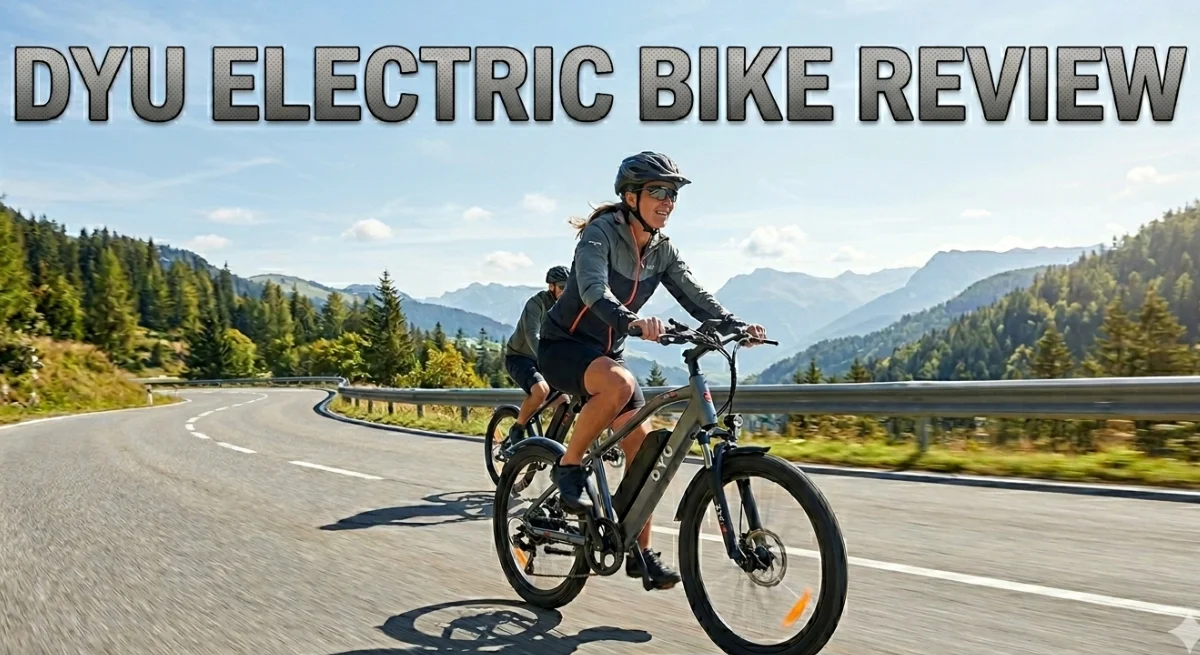
Dyu Electric Bike Review:Honest Insights on Performance and Battery
Electric bikes are everywhere right now. Seriously, everywhere.
And if you’ve been shopping around, you’ve probably come across DYU—those compact, foldable e-bikes that look simple but promise a lot.
So… are they actually worth your money? Or just another budget option that looks good online but disappoints when you ride it?
Let’s get into it. No fluff. Just real talk.
First impressions of DYU electric bikes
Here’s the thing.
DYU bikes are clearly designed for convenience first. Not power. Not extreme performance. Convenience.
You’ll notice it right away:
- Small frame
- Lightweight build
- Foldable design
- Minimalist controls
Honestly, they feel more like a “daily errand bike” than something you’d take on long weekend adventures.
And that’s not a bad thing—it just sets expectations.
Performance: what it’s actually like to ride
Alright, performance. This is where most people get curious.
And here’s what I’ll say upfront: it’s decent… but don’t expect miracles.
Speed and motor power
Most DYU bikes come with a 250W motor (some US versions go higher). That means:
- Top speed: around 15–20 mph
- Smooth acceleration, but not aggressive
- Works best on flat roads
If you’re climbing steep hills every day, you might feel it struggling a bit. Not terrible—but yeah, you’ll notice.
Real riding experience
Imagine this:
You’re riding through your neighborhood. Smooth road. Light traffic. Maybe a coffee in your backpack.
That’s where DYU shines.
But take it uphill, or ride into strong wind, and suddenly it feels like… okay, maybe I need to pedal more than I expected.
And that’s the pattern:
- Great for short commutes (2–5 miles)
- Fine for city riding
- Not ideal for heavy-duty use
Battery performance: the real story
Now let’s talk battery—because this is where things get interesting.
And honestly, a bit inconsistent depending on the model.
Range expectations
Most DYU bikes claim:
- 15–25 miles per charge
But real-world? It’s usually:
- Around 12–20 miles, depending on:
- Rider weight
- Terrain Assist
- level
So yeah, slightly less than advertised. Not shocking, though—this happens with most e-bikes.
Charging time
- Typically 4–6 hours
- Pretty standard
- Easy to charge at home or office
Battery lifespan
If you treat it well (don’t overcharge, avoid full drains), it should last 2–3 years.
But here’s something people don’t always mention…
dyu battery upgradex – is it worth it?
You might’ve heard about dyu battery upgradex options.
Basically, you can swap in a higher-capacity battery for:
- Longer range
- Slightly better performance consistency
But here’s the catch:
- It’s not always officially supported
- Can be tricky depending on the model
So yeah—useful, but only if you know what you’re doing (or have a shop help you).
Model breakdown: D3F vs A1F vs A5
This is where things get more specific.
Because not all DYU bikes feel the same.
Dyu D3f Review
The D3F is probably the most popular one.
Why? Because it’s cheap and super compact.
What you’ll like:
- Lightweight and foldable
- Easy to carry upstairs
- Good for quick errands
What you won’t:
- Small wheels = bumpier ride
- Limited power
- Not great for longer distances
Honestly, it’s perfect if you live in a city apartment and just need something simple.
Byu A1f Review
The A1F feels like a step up.
Slightly more refined. A bit more comfortable.
Highlights:
- Better frame design
- Smoother ride than D3F
- Improved stability
But still…
- Not a powerhouse
- Range is similar
Think of it as the “daily commuter upgrade.”
Dyu A5 Review
Now the A5—this one’s interesting.
It’s closer to a traditional e-bike.
What stands out:
- Bigger wheels
- More comfortable seat
- Better for longer rides
And yeah, it feels more “serious” compared to the others.
But:
- Less portable
- Slightly higher price
If you’re commuting 5–10 miles regularly, this one makes more sense.
Comfort and build quality
Let’s be honest here.
DYU bikes are budget-friendly—and you can feel that sometimes.
The good:
- Solid enough for daily use
- Simple controls
- Decent brakes
The not-so-good:
- Seat can be uncomfortable (you might want an upgrade)
- Suspension is minimal
- Small tires on some models feel rough on uneven roads
It’s not bad. Just… basic.
Who should actually buy a DYU bike?
This is the part most reviews skip. But it matters.
You should consider DYU if:
- You need a cheap, reliable commuter
- Your rides are short (under 5 miles)
- You want something portable and easy to store
- You live in a city or suburb with decent roads
You probably shouldn’t if:
- You want high speed or power
- You ride long distances daily
- You need something for rough terrain
Pros and cons (quick reality check)
Pros
- Affordable price
- Lightweight and foldable
- Easy to use
- Good for short commutes
Cons
- Limited range
- Not great on hills
- Basic comfort
- Battery performance varies
FAQs
Is a DYU electric bike good for beginners?
Yeah, actually. It’s one of the easiest e-bikes to start with—simple controls, not too fast, not intimidating.
How long does a DYU battery last?
Typically 12–20 miles per charge in real-world use. Battery lifespan is around 2–3 years.
Can I upgrade the battery?
Kind of. Some users go for dyu battery upgradex, but it’s not always straightforward—depends on your model.
Is DYU worth it in the US?
If you’re looking for a budget city e-bike, then yes. But if you want performance or long-distance capability… probably not.
Final thoughts (no sugarcoating)
So, here’s the honest takeaway.
DYU bikes aren’t trying to compete with high-end e-bikes. And they don’t need to.
They’re simple. Affordable. Practical.
And for a lot of people—especially short-distance commuters—that’s more than enough.
But yeah… if you’re expecting power, long range, or premium comfort, you might end up disappointed.
It really comes down to how you plan to use it.
Short rides? Perfect.
Long rides? Maybe think twice.





Valvoline Review: How it compares in performance and durability?
If you’ve ever stood in the oil aisle staring at Valvoline, Mobil...
savingsarticle.com12 Mins read

Revzilla Bike Reviews: Honest Insights On Top Motorcycles
RevZilla Bike Reviews: Honest Insights on Top Motorcycles Look, if you’ve ever...
savingsarticle.com4 Mins read
Belle Tire Review: Top Tires, Service Quality, And Value Explained
Belle Tire Review: Top Tires, Service Quality, and Value Explained You’ve probably...
savingsarticle.com4 Mins read

Pennzoil vs Valvoline: Which oil lasts longer and protects better?
Discover the smartest ways to save money in 2025 with strategies that...
savingsarticle.com12 Mins read




Leave a comment